Manual reconciliation involves comparing and matching transactions and balances by hand, often using spreadsheets or accounting ledgers. Account reconciliation detects all policy violations before corrupting the system and workflows. By regularly reconciling accounts, finance teams can catch unauthorized transactions, errors, or misuse, thereby closing the door on potential fraud. Companies often buy or sell assets such as property, machinery, or inventory. Account reconciliation proactively identifies and resolves discrepancies, such as unrecorded payments and overpayments, in financial records. This timely identification and resolution of risks helps improve cash flow, ensure payment for outstanding payments, and maintain accurate and up-to-date financial records.
Archive for audit and reference
Reconciliation is the Liability Accounts process of comparing two sets of records to ensure they match. It’s like checking your homework answers with a solution guide to make sure they’re correct. Only by posting all necessary secondary entries can you achieve accurate reconciliation. After this step, the general ledger is updated for the reconciliation period.
Gather and Prepare Documentation
The final stage of what is account reconciliation the reconciliation process involves complete documentation of the entire procedure, detailed documentation of the discrepancies identified, adjustments made and the final results. Documentation is essential both to meet audit requirements and to maintain an accurate historical record of the organization’s financial activities. Once discrepancies are identified in the initial comparison stage, it is essential to thoroughly investigate the underlying causes.
Step #4: Preparing the necessary journal entries
It may not be necessary to gather purchase orders and invoices to reconcile this account, though they would be useful for AR or AP reconciliations. In a similar way, account reconciliations are a key way businesses can detect and prevent fraud. Bad actors may intentionally inflate an invoice or send a duplicate, hoping to receive a higher payment than what they’re owed. However, whether it’s from human error or machine failure, accounting mistakes do happen.
- When the accounting process takes too long, the accounting team spends too much time on routine tasks and is not undertaking strategic initiative projects to improve business results.
- As a business can undertake an enormous number of transactions in a period, the reconciliation process is usually not possible manually.
- Reconciled accounts provide the credibility that supports major business decisions.
- An error as minor as a missed decimal or double entry can lead to inaccurate financial records.
- A three-way reconciliation is a specific accounting process used by law firms to check that the firm’s internal trust ledgers line up with individual client trust ledgers and trust bank statements.
- Balances are reviewed and matched across entities to eliminate mismatches and ensure accurate group-level reporting.
What is Account Reconciliation – Process and Best Practices
Stripe offers a powerful reconciliation solution that streamlines the process for businesses. Stripe’s reconciliation solution automates the reconciliation process for businesses and offers a comprehensive picture of your money movement. Stripe Revenue Recognition streamlines accrual accounting so you can close your books quickly and accurately. Automate and configure revenue reports to simplify compliance with IFRS 15 and ASC 606 revenue recognition standards.
Two Ways to Reconcile an Account
- Account reconciliation typically involves comparing your company’s own financial records to external statements like invoices, bills or bank statements.
- Imagine trying to decide whether to expand into a new market based on cash flow projections, only to later discover your available cash was overstated due to unreconciled transactions.
- Businesses may also reconcile the inventory account to spot any discrepancies or identify potential theft.
- For example, if an asset purchased at $10,000 is recorded as $9,500 in your GL, it creates a discrepancy.
It compares transactions between them to ensure both sides have recorded the same thing. Equity represents the ownership interest in the company and is calculated as assets minus liabilities. Check that the equity section of the balance sheet accurately reflects changes in ownership, such as additional investments, dividends, and retained earnings. High-volume accounts may require weekly reconciliation, while dormant accounts might only need quarterly attention.
- For intentional discrepancies, you might find fake checks or misuse of funds.
- Accurate records also build trust with stakeholders, investors, and regulatory bodies.
- Vendor reconciliation is the next most likely form of account reconciliation that most finance teams think of.
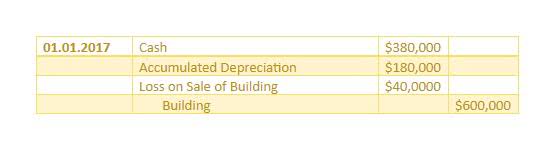
- Companies often buy or sell assets such as property, machinery, or inventory.
Below are the types of financial reconciliation that depend on the nature of transactions and the accounts involved. This article provides a comprehensive guide to reconciliation in accounting, covering its definition, key types, and step-by-step process. Whether you’re a business owner, accountant, or finance professional, mastering reconciliation techniques is vital for ensuring accurate https://www.bookstime.com/ reporting, regulatory compliance, and financial stability. Read on to learn how effective reconciliation can protect your business from costly errors and fraud risks.
Accounting reconciliation 101: What it is, why it matters, and how to do it
Reconciliation acts as a validation checkpoint that catches errors, omissions, or timing differences before they make it into your financial statements. Some reconciliations, such as bank reconciliations, happen monthly, while others might occur quarterly or annually, depending on the account type, transaction volume, and your business needs. To address bank errors, one must regularly scrutinize bank statements and transaction records. If a discrepancy is identified, they should contact the bank immediately to report the error. Documenting all communications is critical for resolving such issues and maintaining the integrity of financial records.
What are Common Account Reconciliation Discrepancies?

In the following post, we’ll cover the crucial types of reconciliation for legal professionals and delve into the fundamentals of three-way reconciliation accounting. Plus, we’ll offer useful best practices for reconciliation in accounting for lawyers to help make the process easier, more effective, and more efficient. Account reconciliations are one of the most important financial processes, but they often get overlooked because performing them manually is too time-consuming and overwhelming. When businesses use multiple financial systems that don’t fully integrate, reconciliation discrepancies often result. Data may transfer incorrectly between systems, get corrupted during transfers, or not transfer at all, creating inconsistencies that require manual investigation and correction.